JOIN Details
Our Newsletter
We're thrilled that you're interested in staying
up-to-date with all the latest news


The United States offers opportunities for professionals, entrepreneurs, researchers, and skilled workers to build their careers and lives. An employment-based green card or work visa can be your pathway to long-term security and stability here.
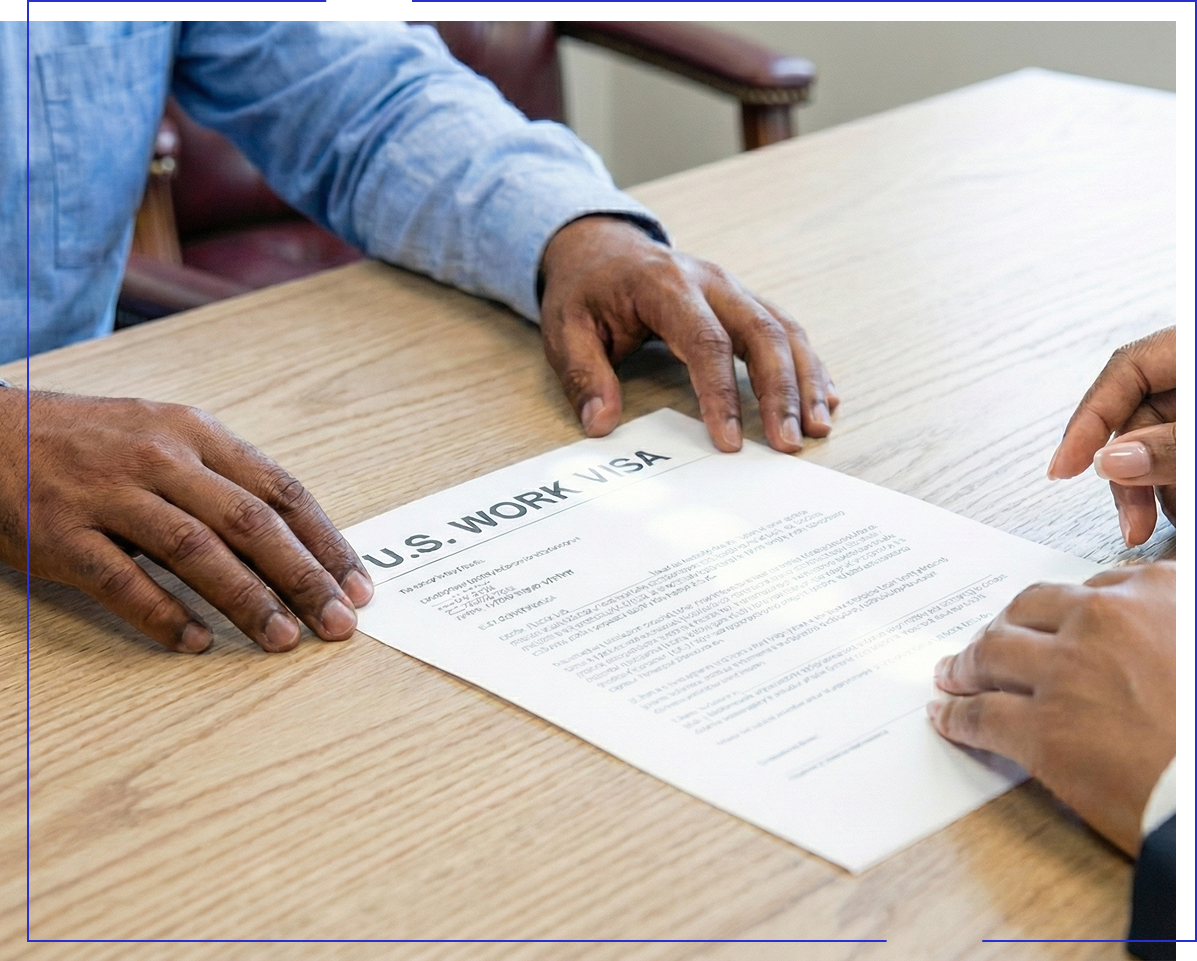
We guide clients nationwide through every step of obtaining work authorization, visas, and permanent residency through employment. Whether you are sponsored by an employer or applying independently, we provide clear guidance and powerful legal support tailored to your situation.
People married to a U.S. citizen or permanent resident
Parents of U.S. citizens
Children of U.S. citizens who are under 21 and not married
Siblings, married children, or other close family members of U.S. citizens
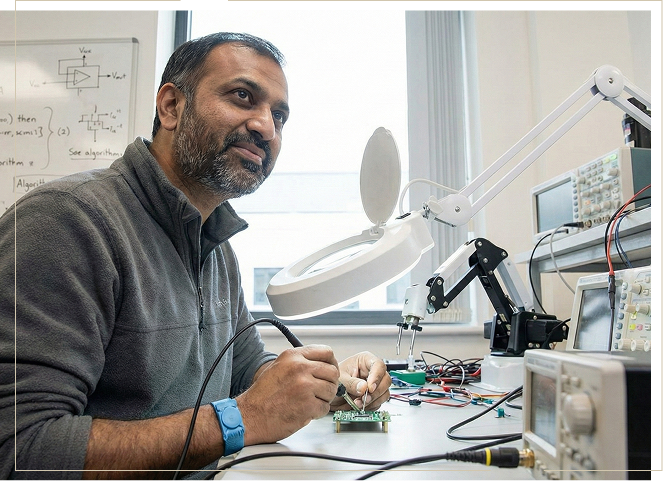
1. Individuals recognized as leaders at the top of their field in science, arts, business, education, or athletics (EB-1A)
You may qualify if you have achievements such as:
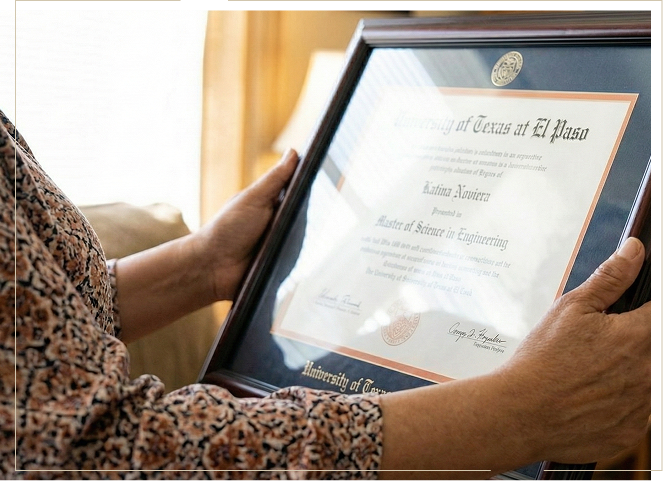
2. Individuals whose work benefits the U.S. in important ways (NIW)
Common areas include:
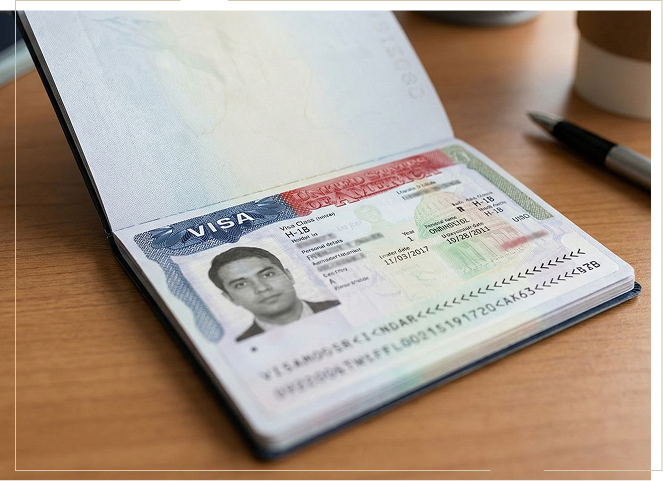
ST Law Office guides both employers and employees through the H-1B process. We help prepare strong applications, avoid common errors, and set up H-1B holders for future green card eligibility.
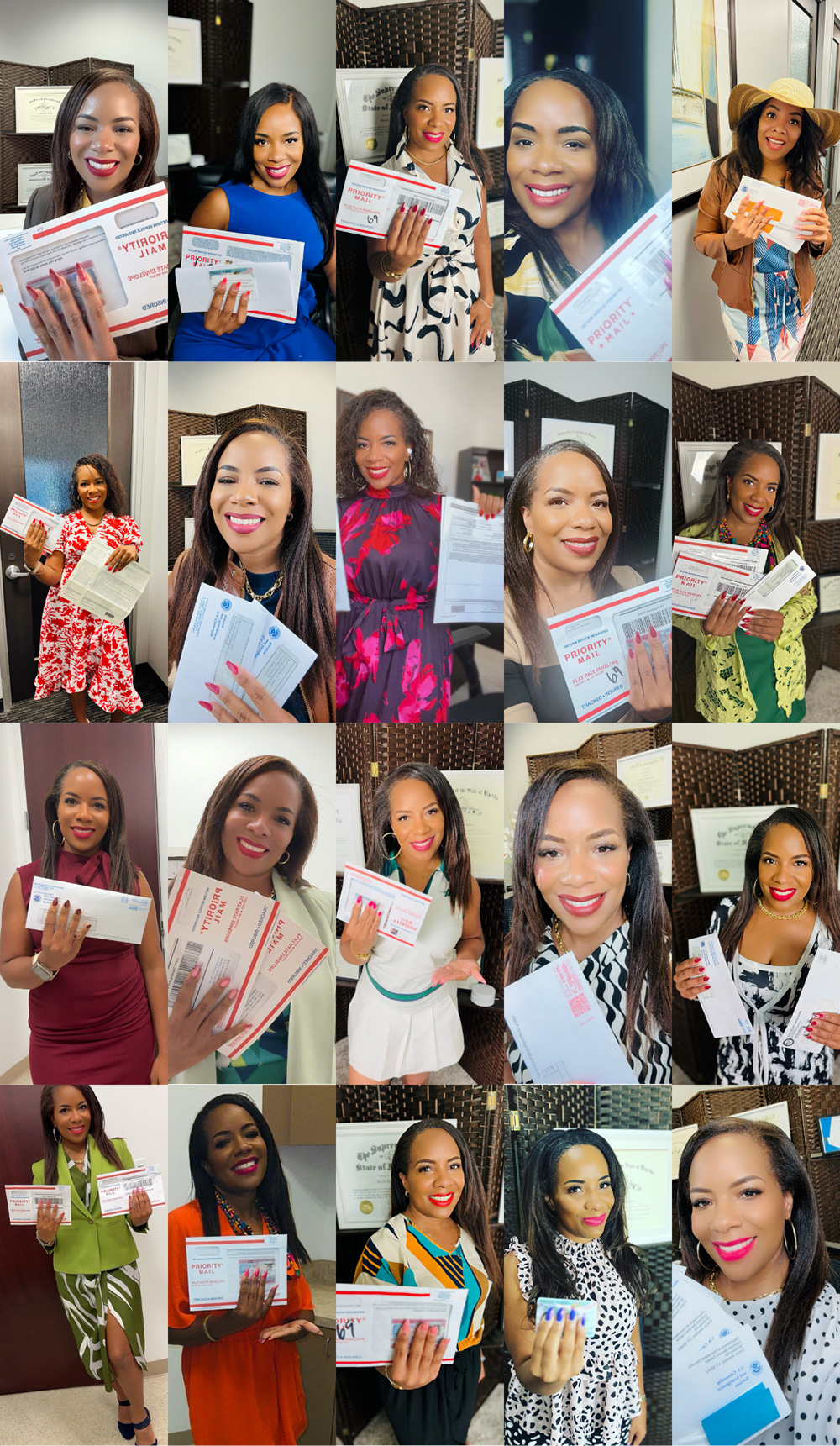
We’ve helped many professionals, entrepreneurs, and families secure work visas and green cards.
We provide guidance for every employment-based option, from H-1B visas to EB-1A and NIW petitions.
We make every step of the process easy to understand, so you know exactly what you need to do next.
We work carefully and efficiently to meet deadlines and avoid mistakes that could delay your application.
If you are in the U.S. on a valid visa, you may be able to get a green card without leaving the country. While your application is pending, you might qualify for a work permit and permission to travel.
If you are abroad, you can complete the green card process at a U.S. consulate or embassy. Once approved, you can enter the U.S. as a permanent resident.

Not always. Some categories, like EB-1A and NIW, let you apply on your own without an employer sponsor.
It depends on your category, country of birth, and whether you apply inside or outside the U.S. Timelines can range from several months to several years.
A work visa (like H-1B) is temporary. A green card gives you permanent residency and can lead to U.S. citizenship.
You may be able to apply in a different visa category or pursue a self-sponsored green card, like EB-1A or NIW, if you qualify.
Yes. Many work visas and employment-based green cards let you include your spouse and children.